Overview
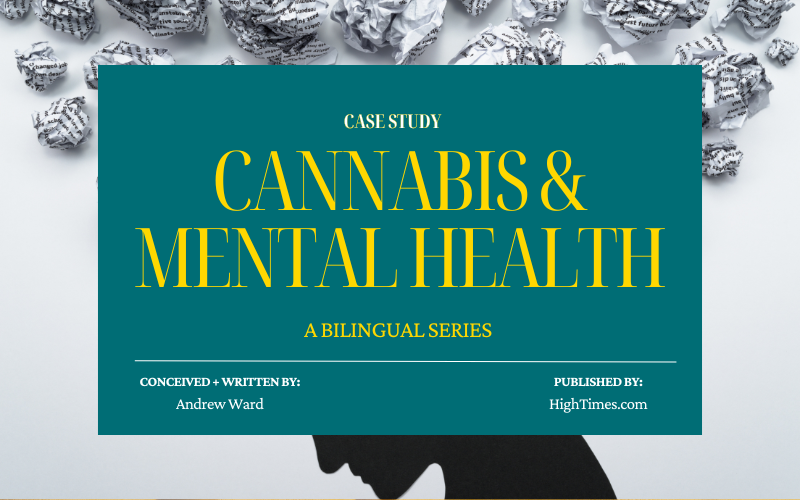
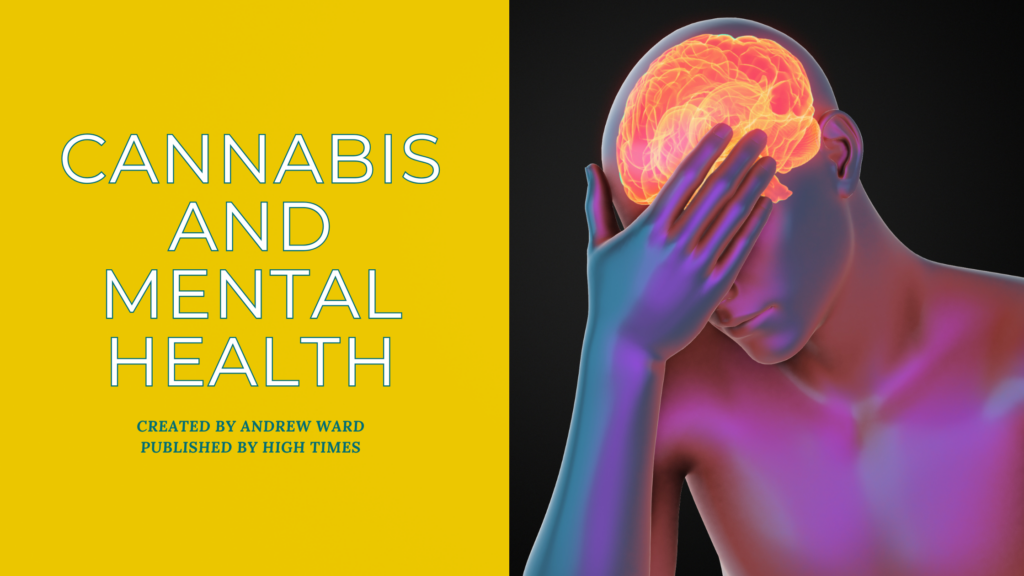
My 2019 series, Cannabis and Mental Health, for High Times served as an extensive investigative project aimed at examining the complex intersection of cannabis consumption and mental health disorders. My initiative sought to bridge the knowledge gap for readers by exploring emerging research, patient testimonials, and expert insights across multiple conditions.
The series covered a wide range of mental health conditions:
- Attention Deficit/Hyperactivity Disorder (ADHD)
- Obsessive-Compulsive Disorder (OCD)
- Bipolar Disorder
- Schizophrenia
- Anxiety and Depression
- Social Anxiety Disorder
- Postpartum Depression
- Post-Traumatic Stress Disorder (PTSD)
- Substance Use Disorder
- Dementia
- Anorexia Nervosa
Each article provided an in-depth analysis of scientific literature, patient perspectives, and expert commentary to offer a well-rounded discussion of cannabis as a potential treatment or risk factor. All reporting in this series is grounded in peer-reviewed data and clinical research from established medical institutions.
Objectives
- Provide factual, research-backed insights on cannabis and mental health.
- Address public misconceptions surrounding cannabis use and psychiatric conditions.
- Explore both the benefits and risks of cannabis in treating mental health disorders.
- Engage readers with a mix of scientific findings, real-world applications, and personal testimonies.
- Establish High Times as a thought leader in the cannabis and healthcare space.
Challenges & Approach
Challenges:
-
Navigating Stigma and Bias: Mental health and cannabis are both highly stigmatized. This required careful handling of language and data presentation to maintain community trust and support social health.
-
Limited Clinical Research: While anecdotal evidence exists, there are few large-scale studies. It was essential to distinguish between emerging research and speculation.
-
Balancing Objectivity: While High Times is a cannabis-focused publication, this series needed to present both potential benefits and risks in a neutral manner.
Approach:
-
Sourcing Reliable Data: I utilized peer-reviewed studies and clinical trials to ensure credibility.
-
Patient-Centric Reporting: I interviewed individuals who use cannabis to highlight real-world experiences.
-
Scientific Integrity: I consulted medical professionals to provide practical health tips and balanced perspectives.
-
Disclaimer: This content is for informational purposes only and is not a substitute for professional medical advice, diagnosis, or treatment.
-
-
Accessible Language: Each article was crafted to be digestible for a general audience while maintaining journalistic rigor.
Results
The series was widely read and shared, sparking discussions about cannabis and mental health across multiple platforms. Readers cited it as a valuable resource in making personal health decisions. High Times strengthened its position as a credible voice in the health journalism space.
The English-language series was such a success that High Times optioned many entries for a Spanish-language version:
This project also solidified AWARD Founder Andrew Ward’s expertise in cannabis journalism, health reporting, and long-form investigative writing, reinforcing his ability to tackle complex subjects with clarity and precision.
Conclusion
The High Times series successfully tackled a nuanced, often controversial topic with depth and integrity. By weaving together patient stories, medical insights, and research findings, the project provided a well-rounded look at the plant’s potential impact.
This project solidified AWARD Founder Andrew Ward’s expertise in cannabis journalism, health reporting, and long-form investigative writing. It reinforced the ability to tackle complex subjects with clarity and precision.
Crisis Resources: If you or someone you know is struggling, call or text 988 to reach the Suicide & Crisis Lifeline in the US and Canada, or call 111 in the UK.
The Case for Updated Mental Health News
Updating this series on cannabis and mental health is necessary because the information gap has widened since 2019. While I previously covered addiction, psychosis, and schizophrenia, organizations like Smart Approaches to Marijuana are now cherry picking data to suit their own ends. This makes it harder for the public to find reliable mental health news.
Providing updated health tips and insights for those managing bipolar disorder, post-traumatic stress disorder, major depressive disorder, and anxiety disorder is vital for long-term social health. Without accurate reporting, mental health awareness is often replaced by biased narratives that ignore the scientific reality of these complex conditions.
While I am not an active journalist at this time, I hope someone or some outlet, be it High Times or otherwise, provides an update.